
01
Space-Environment Reliability
Understanding how radiation, thermal cycling, vacuum, and atomic oxygen affect photovoltaic performance and long-term stability.
RadiationThermal cyclingEncapsulation
Doctoral Researcher in Physics
Exploring single- and multi-junction perovskite solar cells for space: from radiation hardness and LILT to performance benchmarking and mechanical tests.
Current Research
My research connects device physics, advanced characterization, and environmental testing to understand how emerging photovoltaic technologies perform in space and other extreme environments.
Research objective
Translating fundamental degradation mechanisms into more resilient, lightweight, and efficient solar-energy systems.
Understanding how radiation, thermal cycling, vacuum, and atomic oxygen affect photovoltaic performance and long-term stability.
Evaluating voltage losses, charge transport, and device operation under low-intensity and low-temperature conditions.
Investigating two- and three-junction architectures, current matching, performance losses, and light-induced halide segregation.
Combining intensity-dependent luminescence and electrical measurements to quantify QFLS and voltage losses, construct pseudo-J–V curves, and resolve spatial degradation pathways with EL/PL mapping.
Space missions
Photovoltaic payloads translated from laboratory devices into operational experiments in Earth orbit.
Isar Aerospace Spectrum · 5 September 2026
Payload
ROSI-1 perovskite solar-cell payload
My contribution
Executed the complete device-to-payload workflow, including solar-cell fabrication, characterization, encapsulation, electrical contacting, and PCB integration.
Ariane 6 inaugural flight · 9 July 2024
Payload
Perovskite/CIGS and perovskite/silicon tandem solar cells
My contribution
Performed pre-flight characterization, encapsulation, electrical contacting, PCB integration, and electrical testing. Initial in-orbit data confirmed power generation under non-ideal solar alignment.
Next flight opportunity
A further spaceflight payload is currently in preparation. Mission and payload details will be added when publicly available.
Scientific output
Selected peer-reviewed work on photovoltaics, device stability, and energy technologies for extreme environments.
1–3 of 9 publications
Hover or tap for abstract
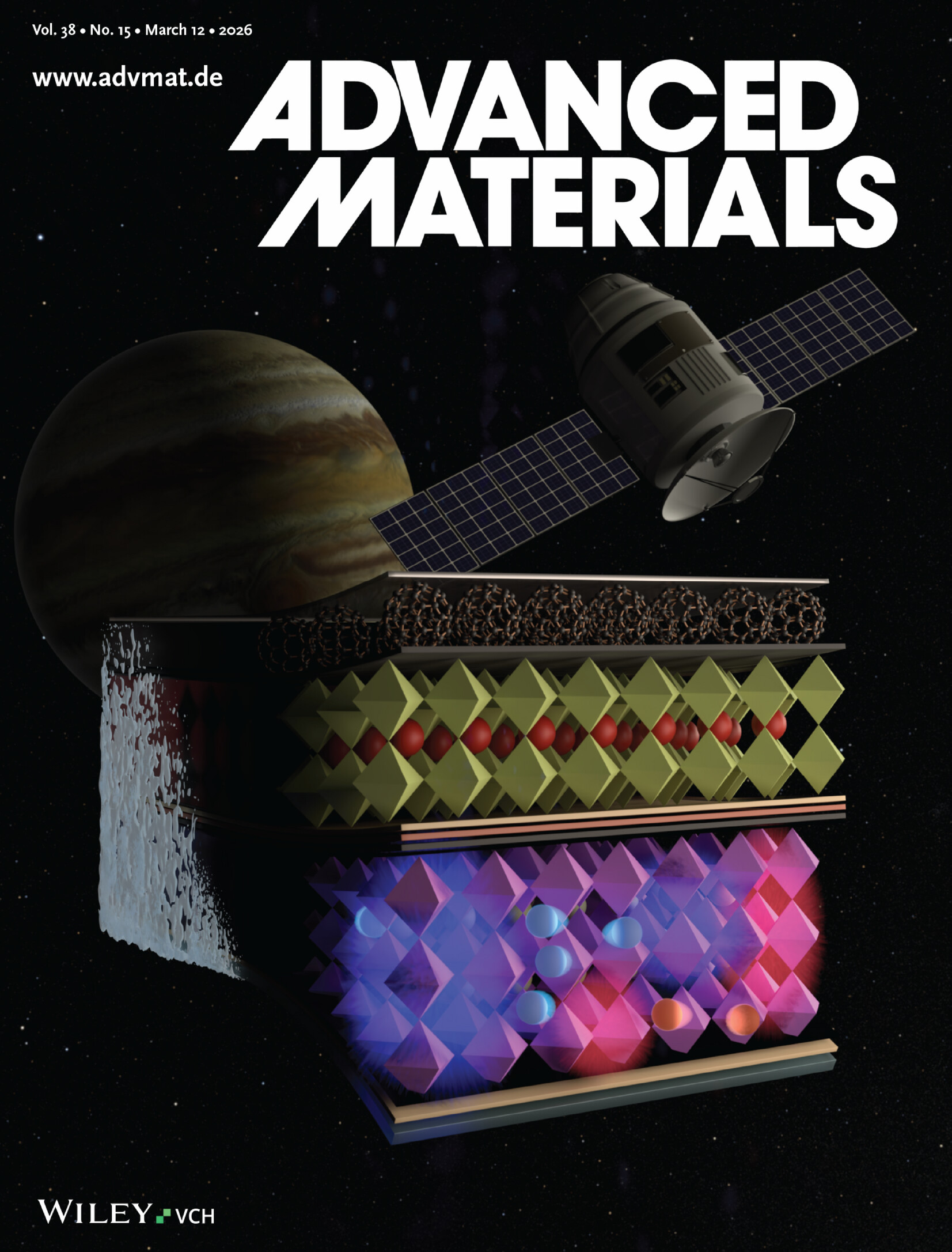
Sercan Ozen, Etienne Beier, Francisco Peña-Camargo, Jarla Thiesbrummel, Gianluca Boccarella, Paria Forozi Sowmeeh, et al.
Abstract
All-perovskite tandem solar cells are assessed under low-intensity and low-temperature conditions relevant to deep-space missions. The study identifies temperature-driven phase demixing in the high-bandgap absorber as the primary source of severe performance losses.
Hover or tap for abstract
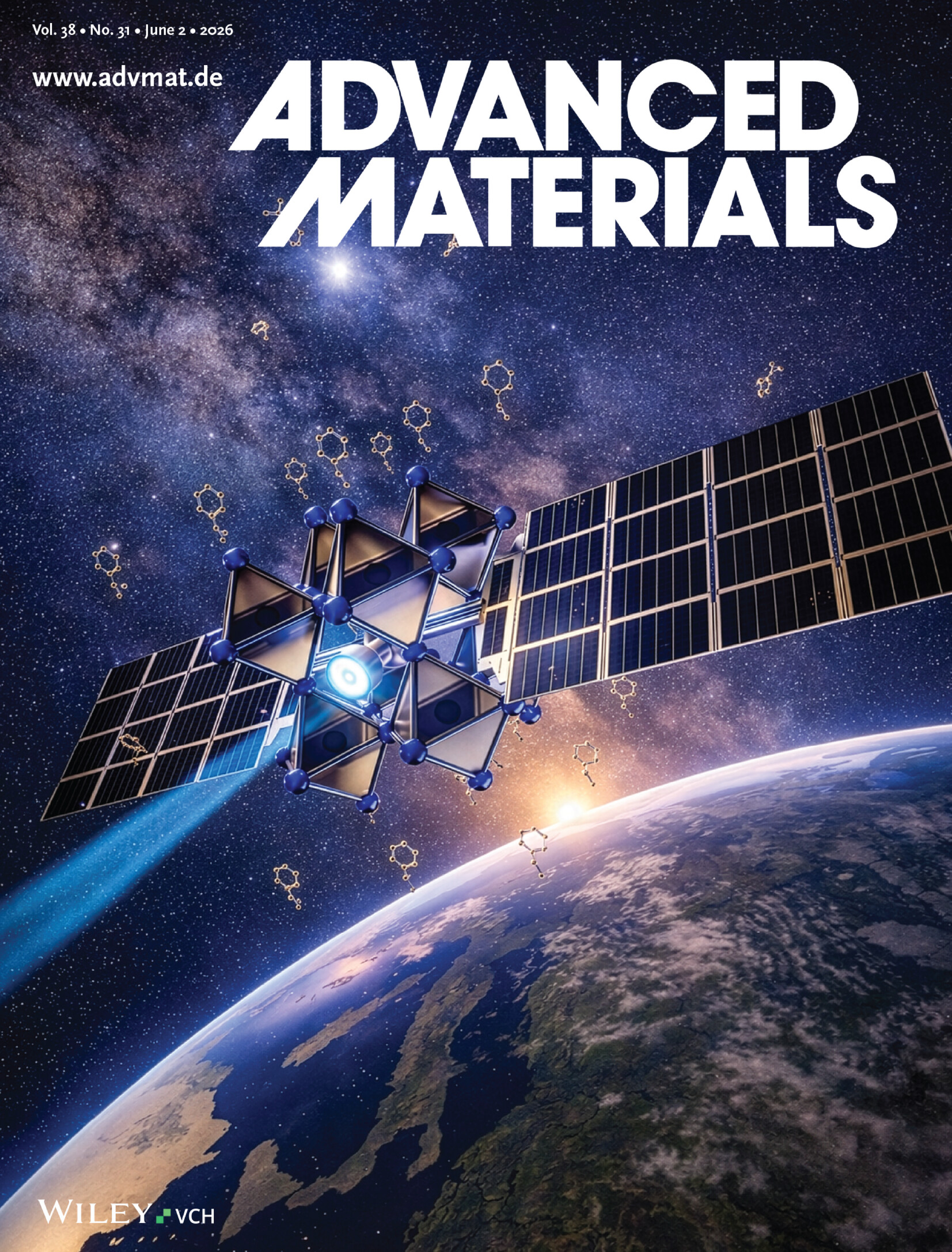
Christoph Putz, Lukas E. Lehner, Stepan Demchyshyn, Bekele Hailegnaw, Phillip Jahelka, Magdalena Breitwieser, Sercan Özen, et al.
Abstract
Perovskite solar cells offer unique advantages for space-based energy harvesting, combining cost-effective manufacturing with flexible, high power-to-weight devices. This work presents a comprehensive analysis of their performance in low Earth orbit, supported by laboratory testing across extreme temperatures and proton-radiation exposure.

Hover or tap for abstract
Julián Mauricio Cuervo-Ortiz, Juan Carlos Ginés Palomares, Sercan Ozen, Marlene Härtel, Sema Sarisozen, Alina Dittwald, et al.
Abstract
This work proposes using lunar regolith to fabricate moonglass substrates and encapsulation for perovskite solar cells. The approach could reduce material transport weight by 99% while enabling scalable and radiation-resilient energy generation on the Moon.
Hover or tap for abstract
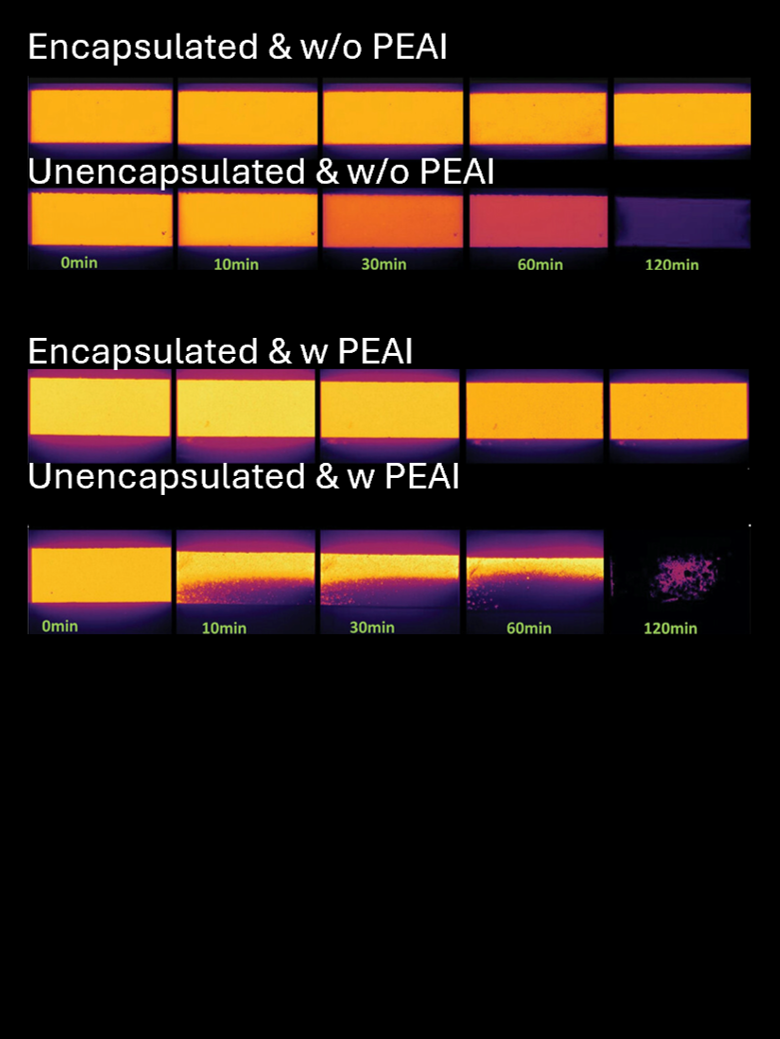
Biruk Alebachew Seid, Sema Sarisozen, Francisco Peña-Camargo, Sercan Ozen, Emilio Gutierrez-Partida, Eduardo Solano, et al.
Abstract
This work resolves atomic-oxygen degradation mechanisms in perovskite solar cells and evaluates ultrathin silicon oxide encapsulation. Protected devices retained over 97% of their initial efficiency, demonstrating an effective barrier strategy for near-Earth applications.
Hover or tap for abstract
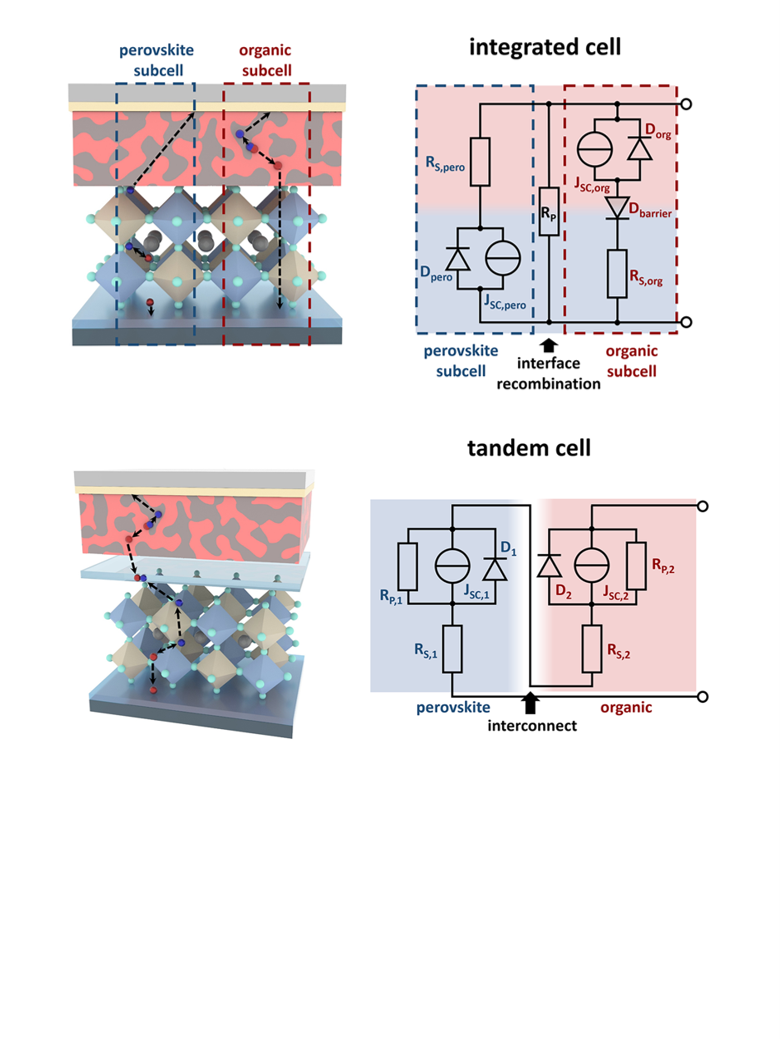
Kai Oliver Brinkmann, Pang Wang, Nikhil Kalasariya, Sven Opitz, Gianluca Boccarella, Sercan Ozen, Seren Dilara Öz, et al.
Abstract
The first comprehensive explanation of integrated perovskite-organic solar cells shows that their subcells operate in parallel rather than as a tandem. Experiments and drift-diffusion simulations establish why these devices behave as single-junction cells.
Hover or tap for abstract
Sema Sarisozen, Anne-Catherine Lehnen, Fan Hu, Gonul Ofkeli, Alexander von Reppert, Matthias Rössle, Sercan Ozen, et al.
Abstract
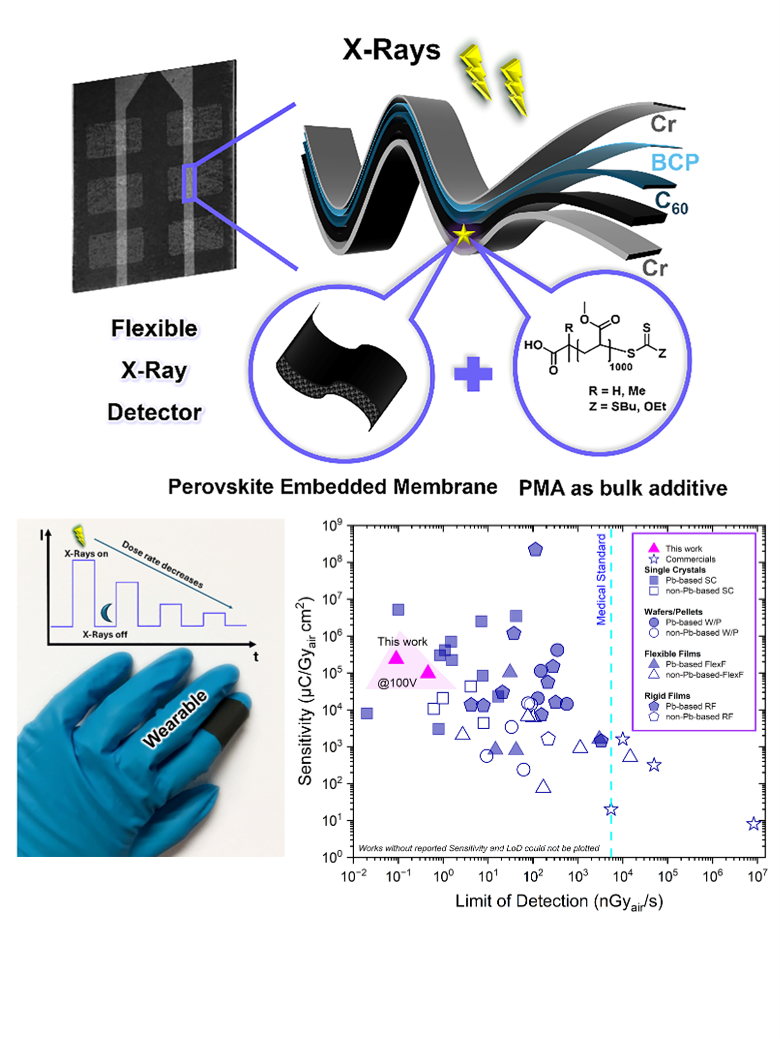
A polymer-perovskite composite embedded in a flexible Teflon membrane closes the performance gap between rigid and flexible X-ray detectors. The devices combine outstanding sensitivity and an ultra-low detection limit with reproducibility, ambient stability, and mechanical durability.
Hover or tap for abstract
Biruk Alebachew Seid, Sercan Ozen, Andrés-Felipe Castro-Méndez, Dieter Neher, Martin Stolterfoht, Felix Lang
Abstract
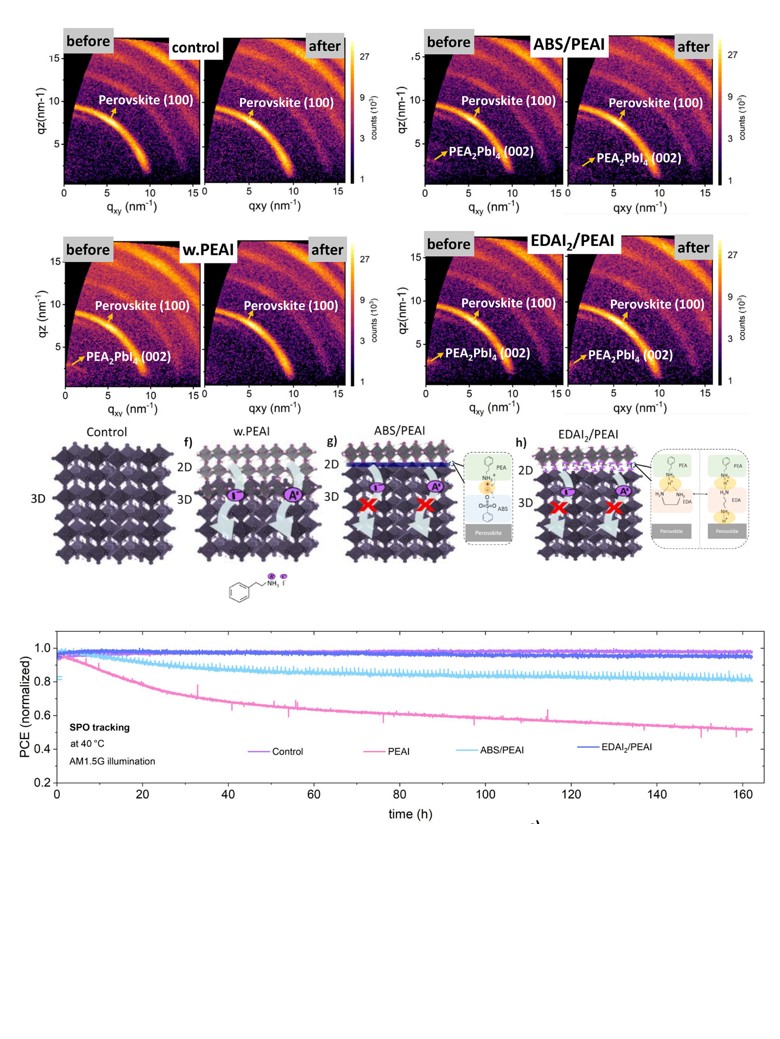
This study reveals that current-density loss and accelerated degradation in PEAI-passivated devices originate from increased mobile-ion density. Ultrathin ABS and EDAI₂ interlayers stabilize the 2D perovskite and enable efficiencies of approximately 25% with enhanced stability.
Hover or tap for abstract
Naho Kurahashi, Manuel Runkel, Cedric Kreusel, Maximilian Schiffer, Timo Maschwitz, Timo Kraus, Kai Oliver Brinkmann, et al.
Abstract
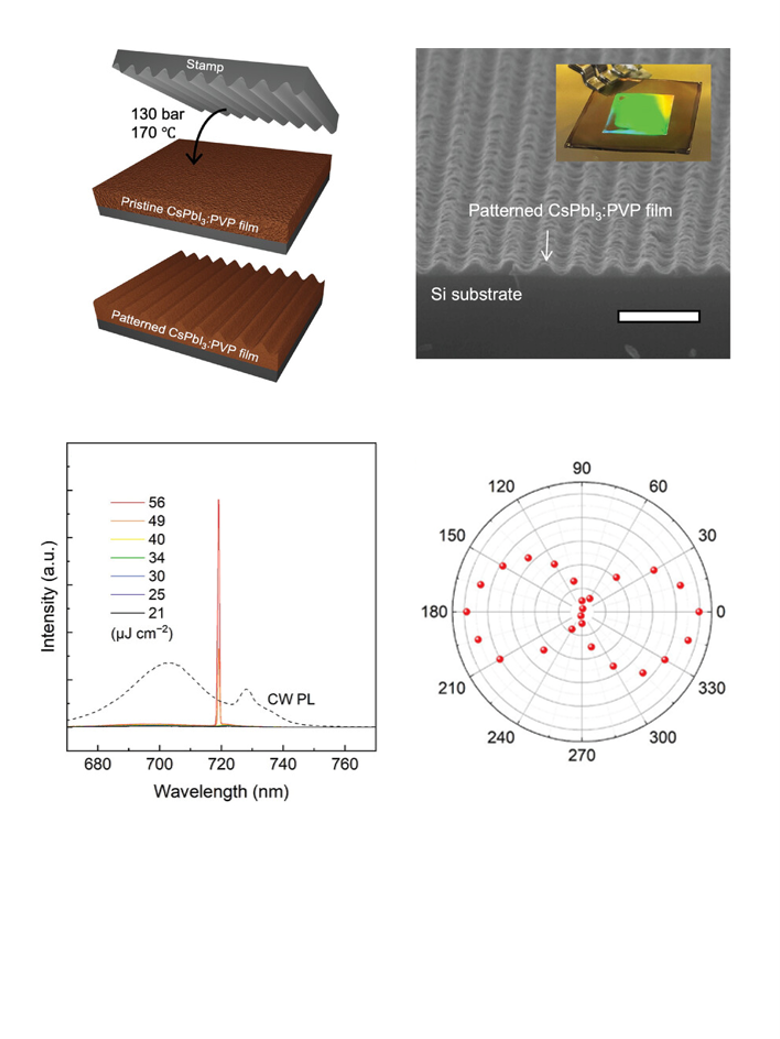
The first distributed-feedback lasers based on CsPbI₃ thin films are demonstrated using a resonator patterned directly into the perovskite by thermal nanoimprint. PVP enables phase-stable nanocrystal films, low lasing thresholds, and tunable deep-red emission.
Hover or tap for abstract
Felix Lang, Yu-Hsien Chiang, Kyle Frohna, Sercan Ozen, Heinz C. Neitzert, Andrea Denker, Martin Stolterfoht, Samuel D. Stranks
Abstract
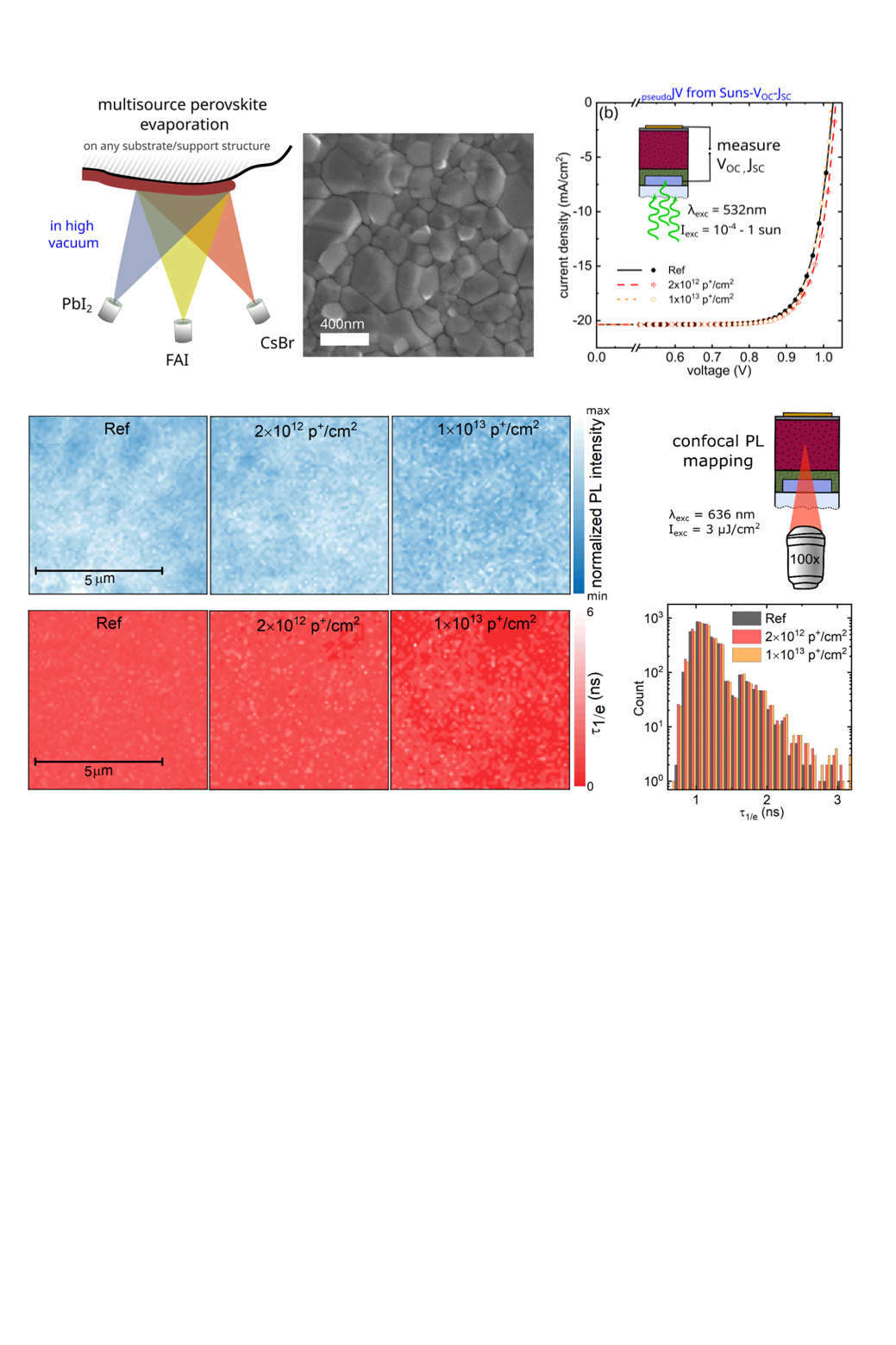
Methylammonium-free co-evaporated perovskite solar cells show strong UV stability and high proton-radiation tolerance. Their vacuum-compatible fabrication makes them promising candidates for future in-space or lunar photovoltaic manufacturing.
Expertise
How I connect device performance, loss analysis, environmental testing, and structural diagnostics to build a complete physical picture.
Establishing a reliable device baseline under terrestrial and space-relevant illumination.
Methods
Probing radiative and non-radiative recombination under controlled optical excitation.
Methods
Quantifying device losses and recombination behavior under controlled electrical injection.
Methods
Preparing photovoltaic devices for space-relevant testing and resolving their response under mission-relevant operating and stress conditions.
Device Integration
LILT & Operational Characterization
Radiation & Reliability
Scientific Software
I design and develop custom applications to analyze photovoltaic data, visualize experimental results, and automate specialized measurement workflows in the laboratory.
Setup-integrated software
Get in touch
For research collaborations, scientific discussions, or professional opportunities, feel free to get in touch.
Primary contact
Email is the best way to contact me about research, collaborations, presentations, or scientific software.
Let's start a conversationFind me online
Affiliation
Institute of Physics and Astronomy
Soft Matter Physics and Optoelectronics Group
ROSI subgroup